

Clear, defensible assessments for tree-related structural movement — built for insurers, engineers and homeowners who need stable, evidence-based decisions.
Small cracks create big questions. Insurers request evidence, engineers need clarity, and uncertainty slows everything. A focused subsidence assessment identifies what’s happening and how to proceed without unnecessary cost.
When movement appears, you need certainty early…
Subsidence ties together soils, foundations and nearby trees.
It feels complex when viewed in isolation.
A structured assessment sets out the facts, reduces assumptions and helps you act with confidence.
A Subsidence Report evaluates whether nearby trees are influencing structural movement by assessing:
The outcome is a clear conclusion: tree involvement confirmed, possible, or unlikely.
Reports are structured for acceptance by insurers, planners and engineers.
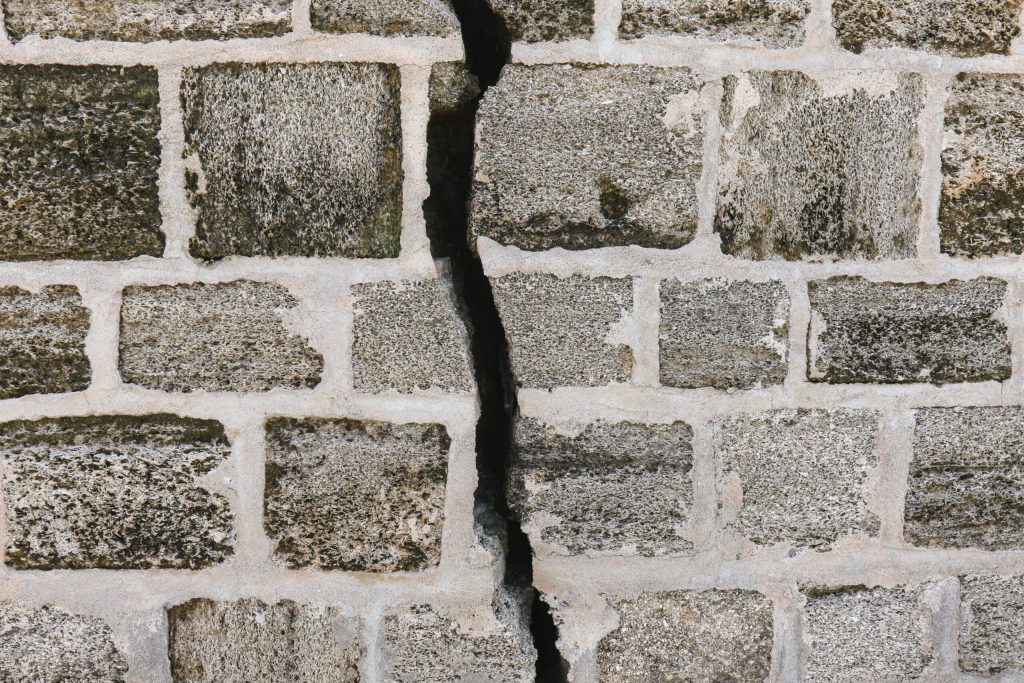
You may need one if you’ve noticed:
A subsidence report provides the evidence required to make safe, proportionate decisions.
Trees sit within planning legislation as a material consideration.
When structural movement occurs near vegetation, LPAs require reliable evidence to determine:
Without clear information, planners may pause validation, request additional reports or require updated designs.
A clear, defensible assessment covering:
Where these occur, planning applications without evidence frequently receive validation queries, requests for additional surveys or time-sensitive conditions.

Diagnosis grounded in structural, soil and arboricultural data.
Actions aligned to risk, not assumption.
Evidence presented clearly for planning decisions.
| Step | Description |
|---|---|
| 1. Initial Review | Send photographs, site details and any existing reports. |
| 2. Site Visit | Assessment of trees, soil indicators, foundations and cracking. |
| 3. Diagnosis | Tree involvement confirmed, possible or unlikely. |
| 4. Recommendations | Balanced options matched to risk level. |
| 5. Reporting | A clear, defensible report suitable for planning, insurance or engineering decisions. |
Need a Subsidence Report? Share your site details and we’ll confirm the level of assessment required.
Phone: 0800 494 7479
Email: [email protected]
We cover many areas across England and Wales. Click below to find out more.
A tree subsidence report is a detailed, planning and insurance ready document that assesses whether trees are influencing soil movement and contributing to structural damage. It combines arboricultural evidence with site conditions to establish causation, risk, and appropriate management recommendations.
Tree related subsidence is most commonly caused by moisture extraction from shrinkable clay soils. As trees draw water from the ground, the soil can contract, leading to downward movement that affects foundations, particularly in dry periods.
Typical indicators include cracking to walls, sticking doors or windows, and uneven floors. However, confirming whether a tree is the cause requires professional investigation, including soil type, proximity, species, and seasonal movement patterns.
Yes, in many cases insurers will require a professional arboricultural assessment to support or dispute a subsidence claim. A robust report provides evidence on whether vegetation is a contributing factor and informs appropriate mitigation.
Yes, but the solution depends on the cause and severity. Options may include tree management such as pruning or removal, combined with structural repairs. A tree subsidence report ensures that any action taken is proportionate and evidence based.
Not always. In some cases, removing a tree can lead to soil rehydration and ground heave, which can also damage structures. A professional report assesses both subsidence and heave risk before recommending any works.
High water demand species such as willow, poplar, oak, and plane are more commonly associated with subsidence, particularly when located close to buildings on clay soils. However, risk is site specific and must be assessed holistically.
If a tree is protected by a Tree Preservation Order or located within a conservation area, you will need consent from your Local Planning Authority before carrying out works. You can check with your local council here:
https://www.gov.uk/guidance/tree-preservation-orders-and-trees-in-conservation-areas
A subsidence report can support your application by providing clear technical justification.
Tree subsidence reports should be prepared by qualified arboricultural consultants with experience in structural damage investigations. This ensures the findings are credible for planning, insurance, and legal purposes.
A site visit is typically completed within a few hours, depending on site complexity. The full report is usually issued within a few days, allowing for detailed analysis, evidence review, and professional recommendations.
Yes, but subsidence can affect property value and mortgageability. A clear, professional report helps demonstrate the cause, extent, and resolution strategy, which is often required by lenders and surveyors.
A typical report includes:
This ensures the report is suitable for planning, insurance, and legal use.

