
Arboricultural Surveys
Tree-related decisions made without professional assessment can reshape development plans.
Arboricultural surveys, including BS 5837 tree surveys, provide evidence to inform design, protect retained trees, and support planning applications. They define constraints before layouts are fixed — creating space for practical solutions without costly redesign.
Clearing trees before assessment can increase Biodiversity Net Gain unit requirements and associated cost. Early BS 5837 evidence ensures tree decisions are integrated into both design and BNG calculations from the outset.
Where trees have already been removed, retrospective BS 5837 assessment is not possible. Historic data may assist in limited circumstances, but planning authorities typically require current arboricultural evidence. Requirements vary by local authority, and BS 5837 surveys are often requested alongside BNG submissions.
Whether preparing a submission or refining a layout, arboricultural clarity prevents avoidable redesign. We define what is required and when.
Protect the design. Control cost. Keep planning moving.
Which Arboricultural Surveys do I need?
A Quick Guide
Most development sites involving existing trees will require some form of arboricultural assessment. The type of survey depends on what you are proposing and how trees may influence the design or construction process.
Use the guide below to identify the survey most likely to apply to your project.

Tree Survey for Planning (BS 5837)
When: your site contains trees or hedgerow trees, and you require BS 5837 evidence for planning or pre-application purposes.
Purpose: establish baseline data and root protection areas (RPAs) before planning layout lock-in.
Timing: Year-round.
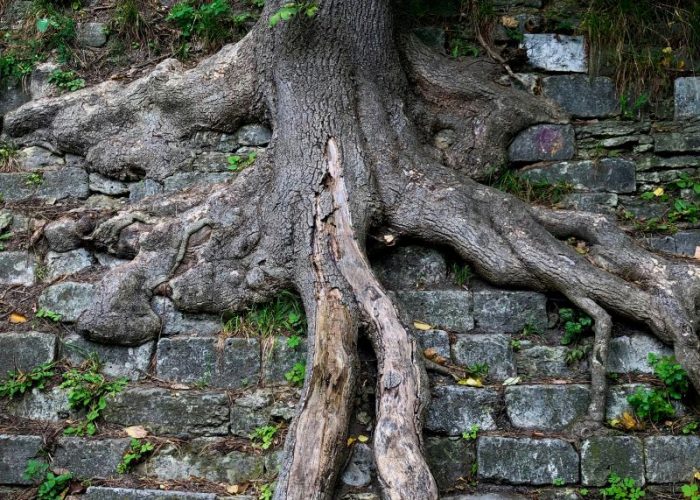
Arboricultural Impact Assessment (AIA)
When: proposed works may affect retained trees or their RPAs, or the LPA requests an AIA alongside your BS 5837 survey.
Purpose: evaluate impacts, define protection, and provide proportionate mitigation.
Timing: Year-round.
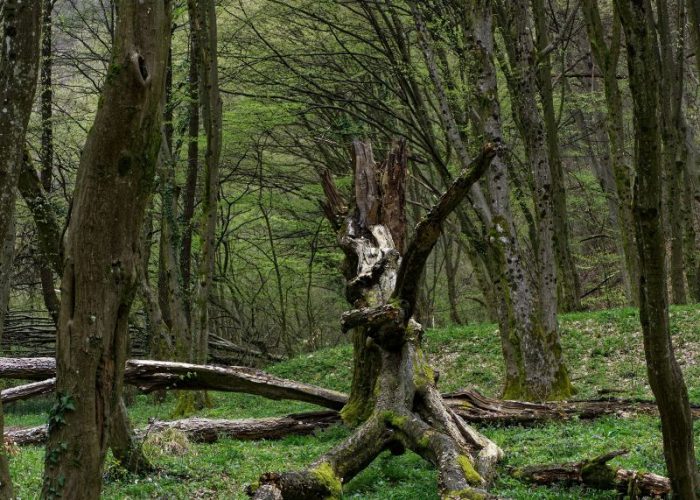
Tree Health Survey
When: a tree appears unsafe, declining or damaged, or you need risk-based duty-of-care evidence.
Purpose: assess condition, structural integrity and management needs.
Timing: Year-round.
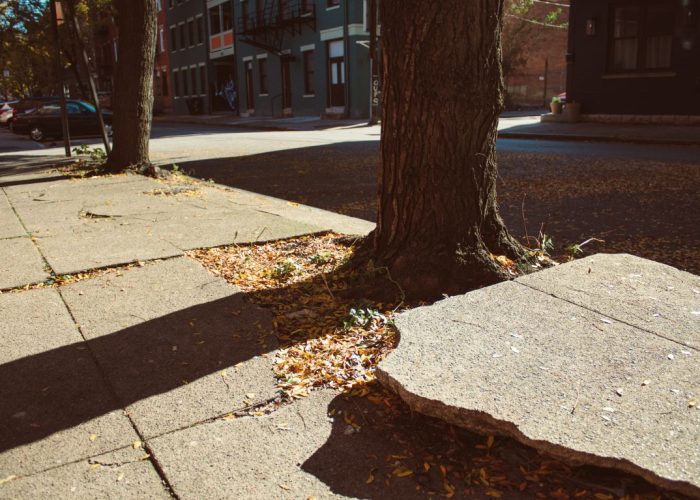
Tree Damage Survey
When: roots or branches may be affecting boundaries, paving or structures.
Purpose: confirm cause, extent and mitigation for tree-related damage.
Timing: Year-round

Subsidence Reports
When: buildings show movement on shrink–swell soils or insurers/engineers request root-related evidence.
Purpose: identify causal species, soil influence and realistic remedial options.
Timing: Year-round.
Mortgage & Insurance Tree Reports
When: a lender or insurer flags tree-related risk or requests formal verification.
Purpose: deliver fast, lender-compliant evidence with actionable findings.
Timing: Year-round.


TPO Applications & Appeals
When: protected trees require works, the council needs supporting evidence, or you’re responding to a refused consent.
Purpose: supply robust justification and manage submissions or appeals effectively.
Timing: Year-round.
Your Next Step
Share your proposal and we will confirm the appropriate arboricultural survey and sequencing in line with local planning requirements.
Arboricultural Surveys FAQs
What is the purpose of a tree survey?
A tree survey assesses the condition, quality and development constraints of trees on or adjacent to a site. For planning applications, a BS 5837 survey provides the evidence needed to show how trees will be retained, protected and considered within the design. It identifies Root Protection Areas (RPAs), which define how far tree roots extend and where construction must be controlled.
What does arboricultural mean in planning?
In planning terms, arboricultural refers to the professional assessment and management of trees in relation to development. Arboricultural reports evaluate tree condition, quality, root protection areas and how proposed works may affect them, in accordance with British Standard BS 5837.
When is a BS 5837 tree survey required?
A BS 5837 tree survey is typically required where development may affect existing trees. Local planning authorities request this survey to understand which trees should be retained, how they are categorised (A, B, C or U) and what protection measures are needed before granting permission.
Are tree surveys a legal requirement?
Tree surveys are not automatically required by law. However, they are commonly required by local planning authorities where trees influence development proposals. They may also be requested by lenders or insurers in property transactions.
How much does a tree survey cost?
The cost depends on site size, the number of trees and the type of report required. A planning-related BS 5837 survey differs from a subsidence or mortgage report in scope. Early review of your proposal ensures the correct report is prepared without unnecessary work.
What is an Arboricultural Impact Assessment (AIA)?
An Arboricultural Impact Assessment explains how proposed development will affect existing trees. It forms part of the BS 5837 process and sets out which trees will be retained, which may be removed, and how protection measures will be implemented during construction.
Do I need permission to cut down a tree on my property?
Some trees are protected by a Tree Preservation Order (TPO) or are located within conservation areas. In these cases, written consent from the local authority is required before works are carried out. Professional advice confirms whether protection applies and what procedure must be followed.
What is a subsidence tree report?
A subsidence tree report assesses whether tree roots may be contributing to structural movement or damage. These reports are prepared to support insurers, engineers or legal representatives and must be based on clear, evidence-led assessment.
What is a mortgage or insurance tree report?
Mortgage and insurance tree reports assess tree condition and proximity to buildings to help lenders or insurers understand potential structural risk. They provide independent arboricultural evidence during property transactions or claims.
Who is qualified to carry out a BS 5837 tree survey?
BS 5837 surveys should be undertaken by qualified arboricultural professionals experienced in tree assessment and planning submissions. Reports must comply with British Standards and meet local planning authority expectations.