What is Ground Heave and How Can I Remedy it?

Have you wondered what is ground heave? Ground Heave can have a long-term effect on any building work taking place, make sure you know how to remedy it.

What is Ground Heave?

Ground heave is the upward movement of soils which can occur at any stage of the building or development process. Ground heave is usually associated with clay soil which swells when wet. This then rises upwards – the effect is almost exactly the opposite of subsidence. Despite the actual ‘heave’ often being relatively small (less than 150mm), this can have a long-term effect on any building work taking place.

cracks in wall

How do you know it is there?

Signs of ground heave can include vertical cracking to brickwork and windows (if the cracking is diagonal, this may be subsidence). It may also be evident through door frames warping so they are ‘not square’ and paths and patios lifting from their originally laid level.

What causes Ground Heave?

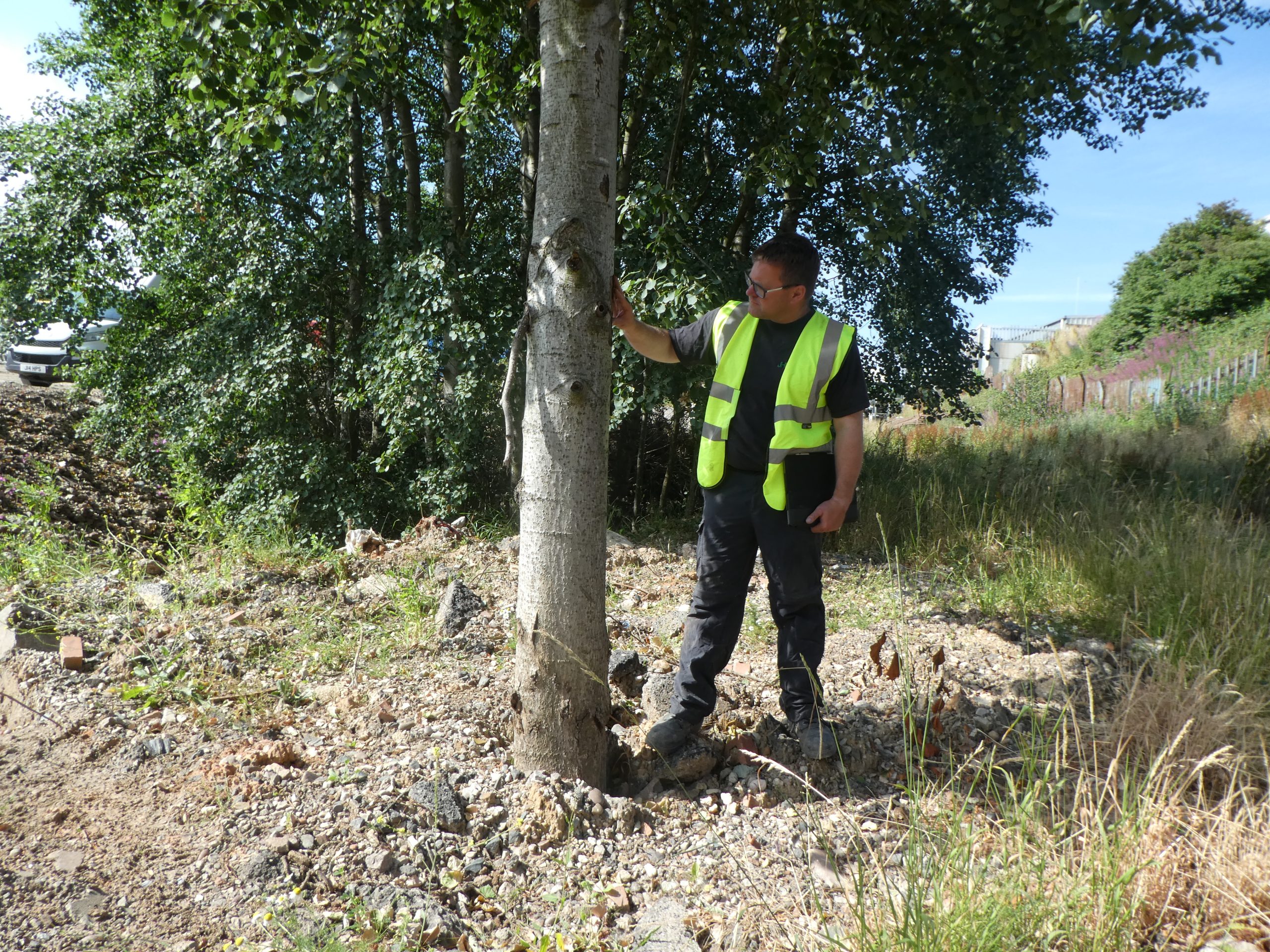
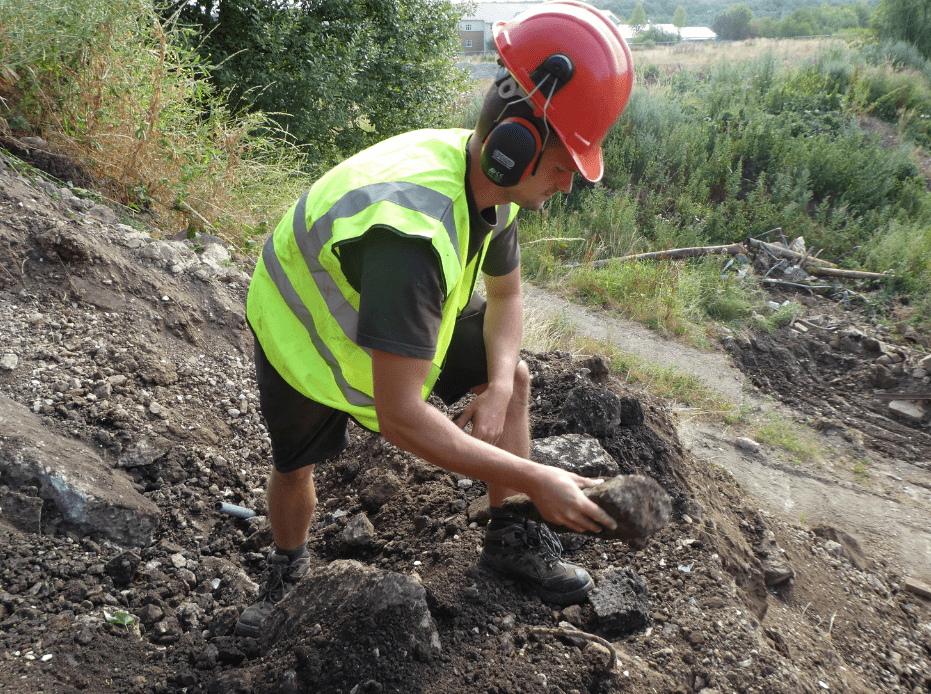
Ground heave is most commonly caused by the removal of established trees. As the roots die away and no longer draw water from the soil, the soil retains more water and will swell when wet. A soil analysis (to analyse the consistency of soil) or a tree survey (to identify the root protection areas of any established trees) can stop the problem developing before it begins.

Other causes of ground heave include soil being removed during excavation, a change in the level of the water table or broken drains. Nearby building works impacting ground drainage, extreme weather conditions or trapped water in the soil freezing and causing the soil to expand can also cause ground heave.

How can Ground Heave be Stopped?

As mentioned above, potential issues with ground heave can often be identified via a soil analysis or tree survey (including an arboricultural method statement if extensive building work is taking place). To stop ground heave, the root cause first needs to be identified and remedied. Once this has been done, depending on the severity of the heave, foundation work will need to take place – reaching down to sub soils that have not been affected by the heave. This can often be costly, as well as causing delays to projects. Advice should only be taken in consultation with a surveyor, who can fully assess the site in question.


Contact Us Today!

Here at ProHort, we offer Soil Analysis and Tree Surveys. If you are having issues with Ground Heave, visit our services page to find out what we can do to help. For more information, give us a call on 01782 479 479 or get in touch.

What is a Landscape Strategy?

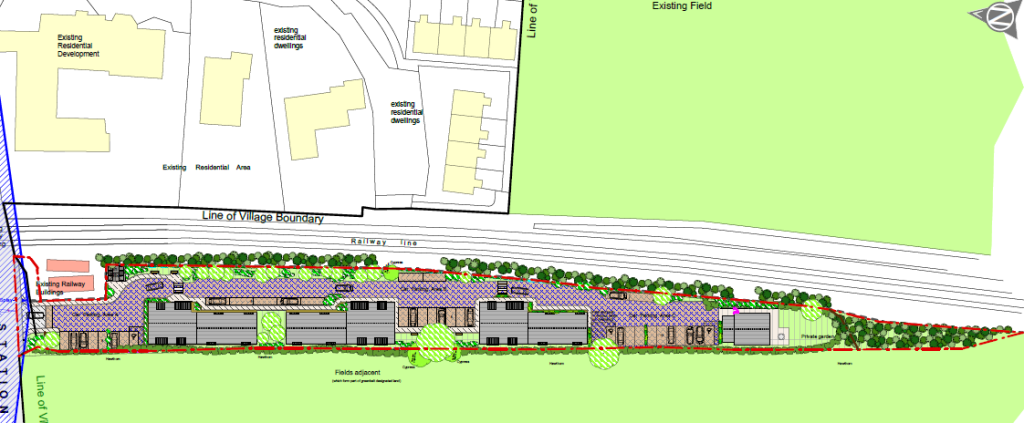
A landscape strategy is one of many technical documents that ProHort can produce to aid you throughout your planning application and subsequent development. It includes a detailed plan of the site, often specifying the hard and soft landscaping elements that will be included in the project. You may get multiple plans; typically one that covers the planting elements (and will identify where individual trees and plants are to be placed) and another that may highlight the areas of hard landscaping. The plans will also identify any existing features on the site that will be retained.


Landscape StrategyA clear landscape strategy will incorporate aspects of the property’s history and the surrounding area to ensure that your design seamlessly blends into the environment. You may also get additional details of the type, size and colour of the plants incorporated into the strategy, or specifications regarding compensating for any loss of biodiversity.


They can also be tailored to meet your requirements – if you have a particular plant, style of paving or additional touch that you would like incorporated then your landscape architect should be able to arrange this. Please be aware that a landscape strategy will exclude pricing of items, as it is purely a strategic document.


Please get in touch if you would like more information about our landscape strategy documents

Technical Documents and Planning Permission

At various stages throughout your development, you may be asked to supply landscape based technical documentation to your local planning office. This may either be in support of an application (i.e., not required, but it provides the council with valuable information to make an informed decision) or mandatory. Find out more about Technical Documents and Planning Permission here…

So, what is the best practice you can follow to ensure the council get exactly what they require from you?

Firstly, we would always recommend that you check with your planning officer exactly what it is that they require. Some technical documents can be similar in nature, but you will find that there are many small differences that mean that one type of report is suitable, whereas another isn’t. For example, a Stage 1 tree survey will just report on the health of the trees on site, whereas a Stage 2 tree survey will consider potential development issues. Both reports have different purposes at different stages throughout a project, so you will need to ensure that you are not wasting time and money on the wrong document.

Secondly, where possible please consider liaising with both your planning officer and your landscape architect at the same time, ensuring they receive correspondence from each other. Often documents may contain the required information, but this can be hard to find, or not as clear as the council require it. If the council can liaise directly with your landscape architect, then the information can be identified as early and easily as possible.

Contact Us To Find Out More About Technical Documents and Planning Permission

Being mindful of these two steps will help your planning application to proceed seamlessly, providing all the parties with the information they need. Every council is different, so please do ensure you are meeting your specific council’s requirements. If you have any questions about the reports that you need, feel free to contact us for further assistance!

Why not stay up to date with our Facebook Page!


Other Articles You Might Like:

https://prohort.co.uk/planning-services/

https://prohort.co.uk/biodiversity-and-planning-permission-update/

Understanding Landscaping Plans & Planning Applications

For more articles like this, click here.

How Often Should I Have My Trees Surveyed?

Do I Need My Trees Surveyed?

ProHort recommends that you have your trees surveyed at least once every two years. Most insurers and governing bodies recommend that trees are surveyed ‘regularly’ but often fail to provide more exact guidance. Claims can be made against a property on behalf of any individual.

There have been several occasions where organisations have been liable. One example of this is an incident in Birmingham where a 92-year-old woman was killed by a 60ft tree. An investigation took place and it was found that the tree had not been surveyed for over two years. Therefore, there was no relevant documentation on the overall health of the tree. This led to a fine of £150,000 being brought against the proprietor along with the possibility of civil proceedings against the landowner by the family of the deceased.

Similarly, in 2012, a woman who visited Kew Gardens was killed by a falling tree branch. However, Kew Gardens were not found to be liable. They were protected because the tree in question had been inspected 12 months before the incident. Due to the recent tree survey and completed tree risk assessment, the jury found “no identifiable cause of branch failure from this tree that caused this tragic accident.” This shows how important it is to get your trees surveyed regularly!

Surveying Damaged Trees:

We also recommend that any damaged trees are surveyed as and when you notice the damage. Most commonly, damage is caused by storms or freak weather but may also be caused by animals or insects.

Finally, we advise that a tree survey is conducted before any construction or landscaping work is carried out on your site, to see whether the proposed work may affect your trees. A survey may also need to be carried out after the work, if you suspect any trees may have been affected during the project.


Contact Us Today

If any of the above applies to you, find out more about our tree surveys on our services page, or contact us to arrange a survey!


Reference – https://www.theguardian.com/uk-news/2014/jun/16/woman-killed-falling-branch-kew-gardens-coroners-court-accidental-death

Native Newts In The UK

Native Newts in the UK are typically found in ponds and their surrounding boggy areas. They’re most commonly discovered in the spring and summer- will you be on the look out for them this season? Here’s what to seek for:


  • Great Crested Newt

This specific species is protected by law in the UK. This means you cannot own or sell them and cannot disturb them or their habitat. Great crested newts have a rough, dark brown appearance with bright orange blotches on their underside. Males of this species have crests along their back with a white tip whereas females have a yellow tip.


  • Smooth Newt

A smooth newt is also a protected species but is the most commonly found newt in the UK. Typically, smooth newts are brown in colour and can grow to a length of 10cm. Both sexes of this newt have orange under belly’s and possess small black spots.


  • Palmate Newt

The final native newt in the UK is the Palmate newt which are most frequently found in shallow ponds on acid-rich soils. The appearance of this species is immensely similar to that of the smooth newt; however, the most identifiable difference is that the spots on the Palmate do not continue under their throat. Instead, this feature comprises of either a plain pink or a yellow colour.


Contact Us Today:

If you are looking to apply for planning and are unsure if you are situated in a protected area, then you may require an ecological survey! In this case, get in contact with us today where we can discuss all of your options.

If your proposed development includes ponds or is near aquatic habitats, Great Crested Newt (GCN) surveys may be a requirement. We offer eDNA (environmental DNA) testing, a non-invasive and efficient method to detect the presence of GCNs in a waterbody. This test is often required as part of planning applications to comply with local authority and Natural England guidelines. The eDNA sampling season typically runs from mid-April to the end of June—so don’t delay if you think you might need one!

To find out more about how ProHort can help you, get in touch with us by calling 01782 479 479 or email us at [email protected]. Alternatively you can message us on Facebook.

What Soil Is Best For Your Garden?

What Soil is Best for My Garden?

Knowing the health and pH of your soil is vital to achieve successful planting schemes. You can contact a horticultural and arboricultural specialist like ourselves for a soil test today.

Below is our step-by-step guide to maintaining the best soil for your garden:


STEP 1: Determine which soil test you require?

  • Agricultural or Horticultural Soil Tests.

In an agricultural or horticultural setting, a soil test is used to estimate the concentration of the nutrients in the ground. The composition and characteristics of the soil (such as its pH) and the fertility of the soil – which is the expected potential for growth.

  • Construction Related Soil Tests.

A soil test can be used on a construction site to determine whether the soil can accommodate the construction project being undertaken.

  • Waste Removal Soil Tests

Before waste soil can be taken to a landfill site, a number of tests must be carried out. These include the Waste Classification test, which identifies whether the soil is hazardous or non-hazardous. Following the completion of the Waste Classification test, the Waste Acceptance Criteria test must also be completed.

STEP 2: Perform a Soil Test

Here at ProHort, we can provide a range of soil tests that analyse the organic compounds found within the soil. These include:

  • Benzene, Toluene, Ethyl, Benzene and Xylene (BTEX.)
  • Soil Pathogens & PCN’s.
  • Polyaromatic Hydrocarbons (PAHs) Pesticides & Herbicides.
  • Polychlorinated Biphenyls (PCBs.)
  • Volatile & Semi Volatile Organic Compounds (VOCs.)
  • Total Petroleum Hydrocarbons (TPH including CWG.)

STEP 3: Determine which nutrients your soil needs

Soil requires a major source of nutrients.Once your soil test has been complete and you have received your report, you will be able to identify which nutrients your soil needs. Three of the most important nutrients for soil are Phosphorus, Nitrogen and Potassium. A healthy soil will have all the essential and balanced nutrients to support healthy tree growth.

Contact us to book in for your soil test today!

Best Flowers to Plant this Spring?

Bring on Spring! Now that the colder and duller days of winter have surpassed and the time for warmer and brighter days has arrived, it is time to start planting. Spring is perfect time of year to bring your garden to life. Keep on reading to find out more about the best flowers to plant this Spring.

Listed below are some of the best flowers to plant in Spring:

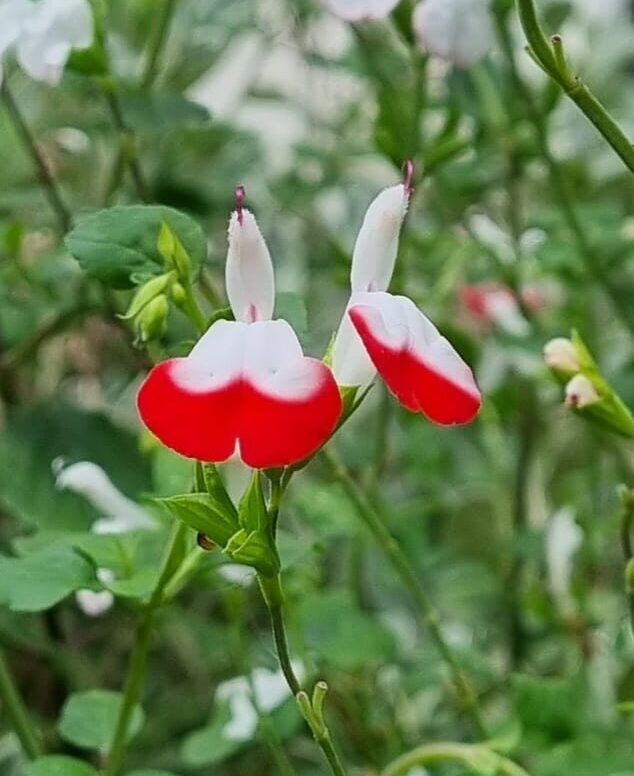
  1. Primroses – Planting primroses will get your garden looking fantastic during the Spring as they are an early Spring bloom. Primroses appreciate the spring sun, but they don’t thrive in heat that is above 27c, so spring is the perfect time to get planting these beautiful flowers.
  2. Bleeding hearts – These Unique flowers bloom in the early Spring. Bleeding hearts grow very quickly, they are easy to care for and they love the shade.
  3. Tulips – Tulips can bloom anywhere from early to late Spring. When planting these stunning flowers, it is best to loosen the soil after digging the area about a foot deep.
  4. Sweet Peas – Spring is the perfect time for sweet peas to bloom. Planting sweet peas in well-draining soil will help them to grow at a quicker rate.
  5. Hellebores – Hellebores bloom in early spring and will last until around the end of May. Soil that is rich with organic matter will help your hellebores to grow at their best potential.
  6. Iris reticulata – Iris reticulata bloom at the start of the Spring season. These flowers thrive when in full sunshine.
  7. Sanguinaria Canadensis – Sanguinaria Canadensis grows best in nutritious, moist soil. This beautiful flower blooms early Spring and doesn’t bloom for very long so don’t miss out.
  8. Pansies – Spring is the perfect time to plant pansies as they like a cool climate. Pansies need regular watering to keep the soil moist and from drying out.
  9. Hydrangea – Most hydrangea bloom during early spring. This flower loves full sun exposure and needs to be watered around three times a week. Deeply watering them will encourage root growth.
  10. Forget me nots – Forget me nots bloom in spring and can last as long as three months. For the best growth, they need to be planted in rich and well-drained soil.

For advise on planting plans this Spring, contact us today!

We Are Social!

Why not check out our Facebook page and connect with us on Linked in?

Related Articles:

https://prohort.co.uk/spring-plant-protection/

https://prohort.co.uk/neighbour-been-killing-your-plants/

What Is An LVIA and When Do I Need One?

Firstly, Landscape and Visual Impact Assessments (LVIA) can be essential for effective planning decisions. Additionally, identifying the effects that new developments have on views and on the landscape itself. Some developments can have effects on visual aspects – but none on landscape character or vice versa. Furthermore, for large developments through the Environmental Impact Assessment. An LVIA will usually be requested. In summary, this will then form part of a larger document. Containing reports from other professionals such as ecologists, hydrologists, and heritage consultants.

What Is An LVIA?

Firstly, any development which is likely to have a significant character, or visual impact on an existing landscape should undergo an LVIA. Therefore the LVIA considers the potential effects of the development upon:


  • Individual landscape features and elements
  • Landscape character
  • Visual amenity and the people who view the landscape

Overall, the main objectives of the LVIA are as follows:

  •      Firstly describe and evaluate the current landscape/character of the site and its surroundings. Additionally, Identify any notable landscape features within the site.
  •      Determine the sensitivity of the landscape to the type of development proposed.
  •      Identify and describe any changes arising from the project relating to landscape and visual issues. This is defined as the magnitude of change.
  •      Identify and describe any mitigation measures that have been included.
  •      Likewise identify and assess any cumulative landscape and visual effects.
  •      Assess the significance of residual landscape and visual effects.
 

      Additionally, the landscape quality refers to the physical state of the landscape. Focusing on the extent to which certain elements affect individual areas and the landscape condition. To explain, landscape quality is based upon the following criteria:

        1. Highest Quality – Areas comprising a clear composition of valued landscape components
       in robust form and health, free of disruptive visual detractors and with a strong sense of place.

        2. Very Attractive – Areas primarily of valued landscape components combined in an aesthetically pleasing composition and lacking prominent disruptive               visual detractors.

        3. Good Landscape – Areas primarily of valued landscape components combined in an aesthetically pleasing composition with low levels of disruptive visual         detractors.

        4. Ordinary Landscape Areas ‐ Containing some features of visual value but lacking coherent and aesthetically pleasing composition.

        5. Poor Landscape ‐ Areas lacking valued landscape components or comprising degraded features and lacking any aesthetically pleasing composition.


When Do I Need An LVIA?

Furthermore, you will need an LVIA to help design the proposed change and assess it’s effects. The assessment is used to ensure that negative landscapes are avoided, reduced or offset.

For example, the proposed change might be a:

  • New road
  • Housing
  • Wind farm or wind turbines
  • Solar farms
  • Mineral extraction
  • Plan for forest felling and restocking

LVIA examines two independent but related aspects:

  •       Landscape effects
  •       Visual effects

Ultimately if you require these studies as part of your planning application, the local planning authority will inform you of this at the pre-application stage. Alternatively, for more information contact us today!


How We Can Help

ProHort has extensive experience of undertaking Landscape and Visual Impact Assessments. Through LVIAs, we work with our clients to address landscape and visual impact issues at an early stage. Equally, this ensures that proposals work within the local landscape, address any constraints and are acceptable visually. A project which works with the character of the area is more likely to be acceptable to local planning authorities.

Our landscape architects can advise on appropriate design and mitigation measures. This often leads to appearances at public inquiries to present detailed evidence on development proposals.

Here at ProHort we also carry out Landscape Character Assessments (LCA) at a Local Authority level. Landscape Character Assessments identify the unique qualities and features of an area which contribute to local distinctiveness. Our LCAs are used in Local Plans, Transport Strategies and Supplementary Planning Guidance to improve the design quality of new development.


We Are Social!

Why not check out our Facebook page and connect with us on Linked in?


How To Encourage Wildlife To Your Garden?

Gardens are valuable spaces, not only for us but for a whole host of wildlife too! Encouraging more wildlife into your garden will help to contribute to the wellbeing of a thriving ecosystem. Birds, butterflies, and bees provide a fascinating sight. However, they also help to improve the production of your garden. Hedgehogs, toads, frogs, etc. act as a great pest control which reduces expenditure for pesticides. 

Furthermore, it has been estimated that the UK has lost 97% of its flower-rich grassland since 1930. Therefore, resulting in a reduction of habitats and nesting sites for wildlife! Opening up your garden to wildlife provides additional green space to help protect the species. 

Some Ways To Encourage Wildlife

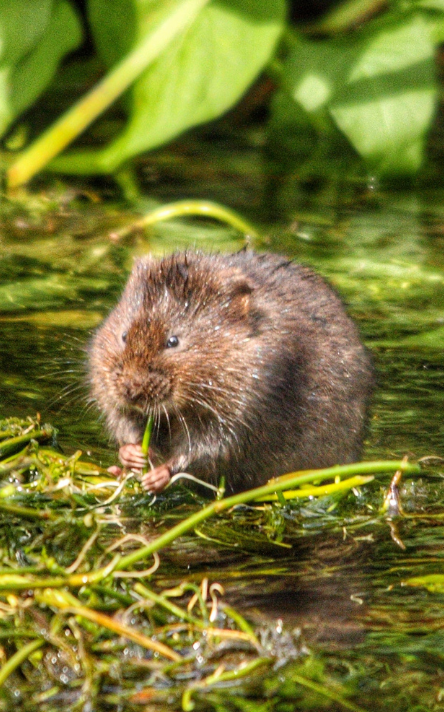
water vole

4. Ready-Made Homes

If you’re looking to attract a particular type of species. A ready-made home is a great way to attract them! Whether this be a bee hotel, hedgehog house, butterfly house, or even a general hotel for all things bugs! You can buy these products from shops, but why not have a go at making your own? Creating your own is a great way to recycle the odds and ends you have lying around at home. Items such as bricks, woods, hollow bamboo canes, sticks, leaves, etc. can all be useful resources to create the perfect home!

5. Serve Up An Extra Meal

A really easy way of attracting wildlife into your home is by putting out some nuts and seeds. Placing out some feed will entice common birds, including goldfinch, blue tits, sparrows, blackbirds, robins, etc. Putting out additional food for wildlife can be a massive help to wildlife, especially during the winter periods. You could also try leaving food out for other species. Fruit for foxes, mealworms for badgers, cat food also makes a tasty meal for hedgehogs! 

1. Plant Flowers

Flowers are a great way to provide pollen and
nectar to bees, butterflies, and other insects. Ideally, chose flowers that
provide pollen and nectar for as long as possible in a season. Crocus and
Mahonia are excellent choices for spring, alongside Asters, Sedum Spectabile, and Ivy in autumn. Additionally, these autumn flowers are particularly late to bloom – meaning they may provide food into early winter!

2. Plant Other Types of Plants

In addition to flowers, trees, shrubs, climbers, and hedges, etc are a fantastic way to provide food and shelter for wildlife. Larger plants, such as trees, support more wildlife as well as providing food in the form of flowers, fruits and seeds. Moreover, trees provide a strong area for cover and nesting sites for garden animals, insects, and other species such as birds. Smaller trees/shrubs including rowan, crab apple, elder, and blackthorn are good for blossom and berries. 

3. Water

The most effective way to add water into your garden is by installing a pond – which will add great wildlife value! You can build a pond at any time, however if you start building in autumn/late winter, it will become established quicker! If you haven’t got a big enough space in your garden, nor do you wish to dig a big hole in it, then additionally you could create a mini pond. 

Mini ponds should be created with a watertight container, whether this be a plant pot, dustbin lid, bucket, etc. If the container isn’t watertight then add some pond liner. Then add a layer of gravel and rocks. After adding these, you then want to fill your pond with rainwater – due to tap water containing chemicals! Lastly, start planting, you will only need two or three plants. 


How We Can Help

At ProHort Ltd, we have a wealth of experience in horticultural, arboricultural, ecological and landscape development. We provide landscape plans, arboricultural surveys, ecological surveys and soil testing and analysis. We also provide a range of other reports detailed on our Services


Why not take a look at how our sister company can also help! The Oak Pot Company specialises in bespoke oak designs. All our products are handmade using high-quality hardwood. Specialising in Garden Furniture, Garden Accessories and Garden Structures. Some of the products include, bird houses/tables, wildlife picnic benches, etc.  


We Are Social!

Why not check out our Facebook page and connect with us on Linked in?

Why Should I get a Tree Survey?

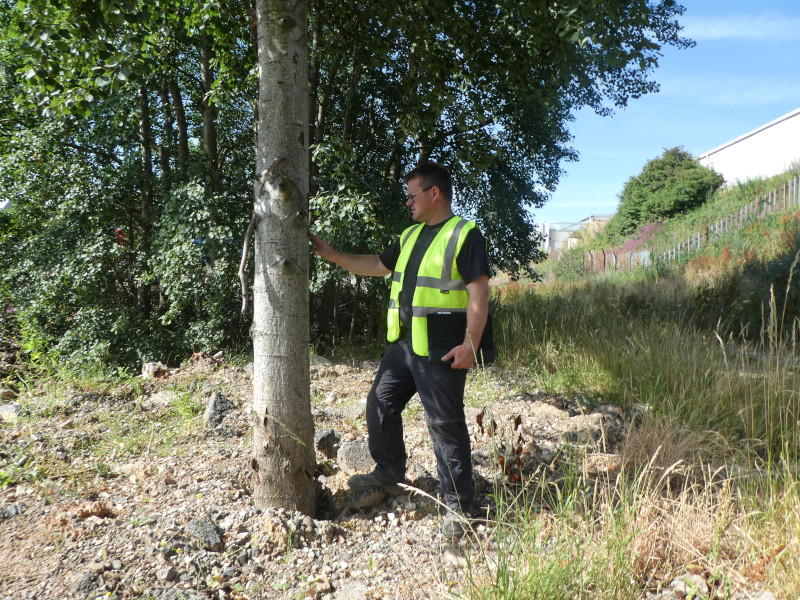
Specialised tree surveys assess certain characteristics of a tree. To assess, the tree must have a diameter of over 75mm. A tree survey will provide recommendations on any treatment required by the tree. Additionally stating whether the tree requires retaining on the site. The survey will also issue recommendations on requirements for any remedial work.

A tree survey can be a requirement as part of a planning application for a development project. This is particularly the case if the development will affect the surrounding landscape and trees situated within the landscape. Carried out for insurance purposes, tree surveys can be for both commercial and domestic clients.

What Information is Revealed from a Tree Survey?

To be suitable for planning applications, tree surveys should be conducted in line with British Standard 5837-2012. This will ensure that the survey carried out will be to the highest standard. Furthermore it must comply with relevant regulations.

The British Standard BS5837 defines whether certain trees should remain on the property and which ones need removing. The survey assesses information such as:

  • Life expectancy for the trees
  • Species of the trees
  • Ages of the trees
  • Measurements
  • Health

Tree Preservation Orders (TPO)

In some areas, obliged by law, you have to have a tree survey carried out. This is because the area might have a certain species of tree that needs protecting.

Made by the local planning authority, Tree Preservation Orders (TPO) protect trees or groups of trees. Due to factors such as location, amenity value or the fact they are a rare or good specimen.

If a tree is subject to a TPO, all works are prohibited without the planning authority’s written consent. These works include removal, topping, lopping, uprooting or any wilful damage.

On occasions, a TPO has been applied to a tree that does not fit the criteria. Therefore, an argument for the removal of the tree may present itself. Any written consent to complete works on a tree may be subject to conditions.

How We Can Help

At ProHort Ltd, we have a wealth of experience in horticultural, arboricultural, ecological and landscape development. We provide landscape plans, arboricultural surveys, ecological surveys and soil testing and analysis. We also provide a range of other reports detailed on our Services. 


ProHort Ltd recommends that you should carry out a tree survey at least once every two years. If any damages were to occur (for example, a tree branch falling on your car) as well as possible injured individuals, claims against property may occur.

 If you require a tree survey, then get in contact with us today to find out more information.

We Are Social!

Why not check out our Facebook page and connect with us on Linked in?