What Is a Preliminary Roost Assessment?
If you’re asking yourself, “Do I need a Preliminary Roost Assessment?”, the answer depends on the type of building work you have planned and whether your property or site could provide potential roosting features or habitats for bats. A Preliminary Roost Assessment (PRA) is the first stage of an ecological survey for bats. It is designed to determine whether a structure or tree has the potential to support a bat roost before any development, renovations or tree work begins. Once this survey is completed, depending on the rating, an emergence survey may follow.
Many different types of projects may require a Preliminary Roost Assessment, including: a roof replacement, loft conversion, home extension, barn conversion, chimney repairs, the installation of solar panels, demolition, or certain tree works. A PRA is also often requested as part of a planning application, helping developers, homeowners and Local Planning Authorities understand whether protected species could be affected by the proposed works.
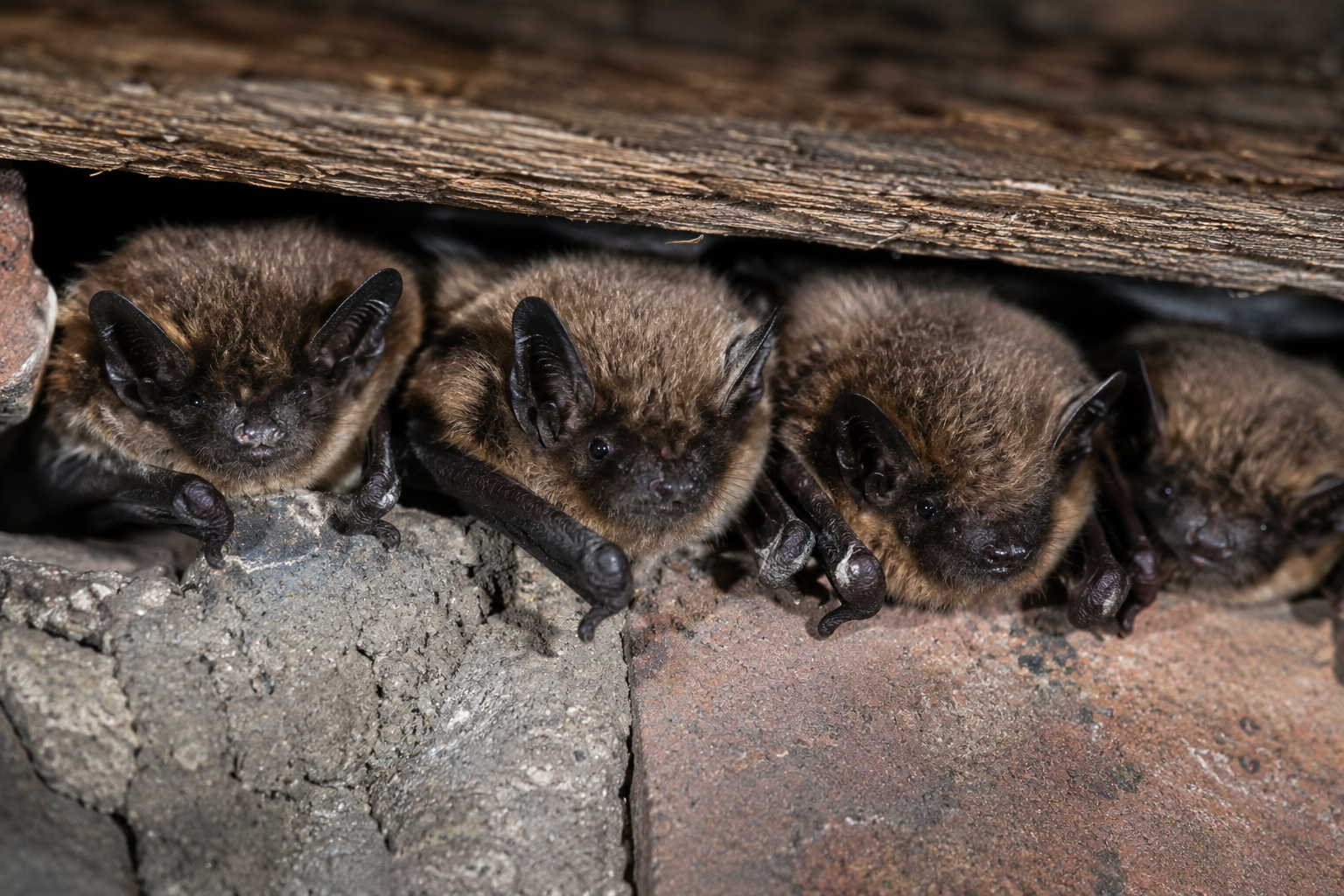
During this survey, an expert ecologist will carry out a detailed visual inspection of the building, structures and/or trees. Regarding buildings, this may include examining the roof void, roof space, loft inspection areas, roof timbers, timber beams, roof tiles, hanging tiles, soffits, fascias, brickwork, flashing and other structural features that could provide access or shelter for bats. Any evidence found will also be recorded and contribute towards the overall rating for any potential roosting features. These may include bat droppings, feeding remains, staining around entry points or visible bats. As for tree inspections, the main features which are inspected are mature trees, tree cavities, splits, cracks and loose bark that could provide suitable roosting opportunities.
In the UK, all bat species and their roosts are protected under the Wildlife and Countryside Act 1981 and the Conservation of Habitats and Species Regulations 2017. This means that carrying out any work which damages a bat roost or disturbs bats, even unintentionally, may result in legal consequences.
Sign 1: Your Property Is More Than 50 Years Old
The age of your property can be one of the first indicators that you may need a Preliminary Roost Assessment. While there is no legal age threshold that automatically triggers a bat survey before building work, buildings that are more than 50 years old are generally more likely to contain features that could be used by roosting bats.
Over time, gaps can develop beneath roof tiles, around soffits, within brickwork and inside the roof void, creating sheltered spaces that bats may use for roosting. If you’re planning a roof replacement, loft conversion, home extension or other building work, an older property may require a Preliminary Roost Assessment before work begins, particularly if a planning application is needed.
Ultimately, having a property that is more than 50 years old doesn’t automatically mean you’ll need a bat survey; however, it is more likely due to its age and the increased likelihood of containing potential roosting features.
Sign 2: You’re Planning Roof Repairs or a Roof Replacement
Roof repairs and roof replacements are some of the main construction works which may require a Preliminary Roost Assessment, these works can disturb features commonly used by bats, including gaps beneath roof tiles, around ridge tiles, soffits, fascias and within the roof space or roof void.
If the initial assessment identifies suitable bat habitat, further bat surveys before building work may be recommended to support your planning application or ensure the project complies with UK wildlife legislation. By identifying any ecological constraints early, you can plan your project with confidence and reduce the risk of unexpected delays once work has begun.
Sign 3: You’re Converting a Loft or Roof Space
A loft conversion is one of the most common types of development that can affect bats, as lofts and roof spaces often provide the quiet, sheltered conditions they need for roosting. Although you may not have seen bats in the property, however, there may be some small gaps around roof coverings, or they may be able to access the building through tiny openings which aren’t obvious.
Converting a loft usually involves altering areas that bats are most likely to occupy. Arranging these surveys before building works begin ensures your project complies with wildlife legislation and avoids unnecessary delays.
Sign 4: Your Project Requires Planning Permission
If your project requires planning permission, your Local Planning Authority may ask for a Preliminary Roost Assessment for planning if there is a reasonable likelihood that bats could be affected by the proposed development. This commonly applies to projects such as home extensions, barn conversions, roof replacements, demolition, and other alterations to older buildings or sites with suitable bat habitat.
A bat survey for planning permission isn’t required for every application. However, if your property contains potential roost features or the proposed works could affect a bat roost, the planning authority may request ecological information before making a decision.
Sign 5: There Are Mature Trees Being Removed or Pruned
Bats don’t just roost in buildings; they also roost in mature trees. If your project involves removing, pruning or carrying out works on established trees, a Preliminary Roost Assessment may be needed to check for features that could support roosting bats.
Trees with cavities, cracks, splits, loose bark, hollow sections or dense ivy cover can provide potential shelter for bats. These features may not always be visible from the ground, which is why a professional ecological assessment is important before work begins.
Sign 6: You’ve Seen Signs of Bats Around the Property
If you have ever noticed bats flying around your property, found bat droppings or spotted other signs of activity, it may be an indication that your building or surrounding habitat could support a bat roost. While seeing bats nearby does not automatically confirm that they are roosting on your property, it is a good reason to seek ecological advice before starting any building work.
Bats can use small, hidden areas such as gaps behind roof tiles, cracks in brickwork, roof voids, loft spaces and other sheltered locations that are difficult to identify without a professional inspection.
Sign 7: You’re Converting a Barn, Outbuilding or Agricultural Building
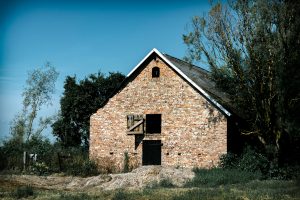
Older barns, outbuildings and agricultural buildings are often valuable habitats for bats due to their traditional construction and numerous access points. Features such as gaps in stonework, exposed roof timbers, loose roof coverings, hanging tiles, timber beams and sheltered roof spaces can provide suitable conditions for a bat roost.
If you are planning a barn conversion, renovation or change of use, a Preliminary Roost Assessment may be required to identify whether the building has the potential to support bats. Because many agricultural buildings are located in rural areas close to hedgerows, woodland and water sources, they can be particularly important for bats as both roosting and foraging locations.
Sign 8: Your Building Has Features That Could Support Bats
Not all buildings are equally suitable for bats, but certain structural features can significantly increase the likelihood of a building supporting a bat roost. Common features that may provide roosting opportunities include gaps beneath roof tiles, lifted or hanging tiles, cracks in brickwork, open soffits, flashing, cavities behind cladding and access into the roof void or roof space. Inside the building, exposed roof timbers, timber beams and undisturbed loft areas may also offer suitable conditions for bats.
Even if there is no visible evidence of bat activity, buildings with these features may still require a Preliminary Roost Assessment before building work, particularly if you’re planning a roof replacement, extension, loft conversion or demolition.
Sign 9: You’re Demolishing or Extensively Altering a Building
If your project involves demolition or significant structural alterations, there is a greater chance of affecting a bat roost or damaging features that bats may use for shelter. Whether you’re demolishing a house, garage, barn or commercial building, a Preliminary Roost Assessment is often recommended before work begins.
Major works such as removing roofs, rebuilding walls, replacing roof structures or stripping a building back to its framework can disturb hidden roosting locations. Even if bats are not visible, they may be using cracks, cavities or the roof void, making it important to establish whether any potential roost features are present.
If you’re wondering whether you need a bat survey before demolition, a Preliminary Roost Assessment is the first step.
Sign 10: You Want to Avoid Delays Once Work Has Started
One of the most important reasons to arrange a Preliminary Roost Assessment is to identify potential ecological constraints before construction begins. If evidence of bats or suitable roosting habitat is only discovered after building work has started, work may need to be paused while further ecological advice or surveys are carried out.
If a PRA is completed early, any survey requirements can usually be identified before your planning application is determined or work begins, helping you plan your project with greater certainty.
Why Choose ProHort for Your Preliminary Roost Assessment?
At ProHort, our professional team can provide the expert guidance you need to move your project forward with confidence. Our experienced ecologists carry out thorough assessments for homeowners, developers, architects and planning consultants across a wide range of projects, from home extensions and roof replacements to barn conversions, demolition and tree work.
We understand that ecological surveys are often a key part of the planning process, which is why we work closely with our clients to identify potential constraints as early as possible. By carrying out a Preliminary Roost Assessment before building work, we can determine whether a building or tree has the potential to support bats and advise if any further bat surveys or bat emergence surveys are required. This proactive approach helps support planning applications, minimise unnecessary delays and ensure compliance with UK wildlife legislation.
With a focus on delivering reliable, professional advice, ProHort is committed to helping clients achieve planning success while protecting biodiversity. If you’re unsure when a Preliminary Roost Assessment is required or how to know if you need a bat survey, our team is here to help you identify the most appropriate next steps.